
Hijab Hair Care Tips for a Healthy Scalp | Lilin & Layer
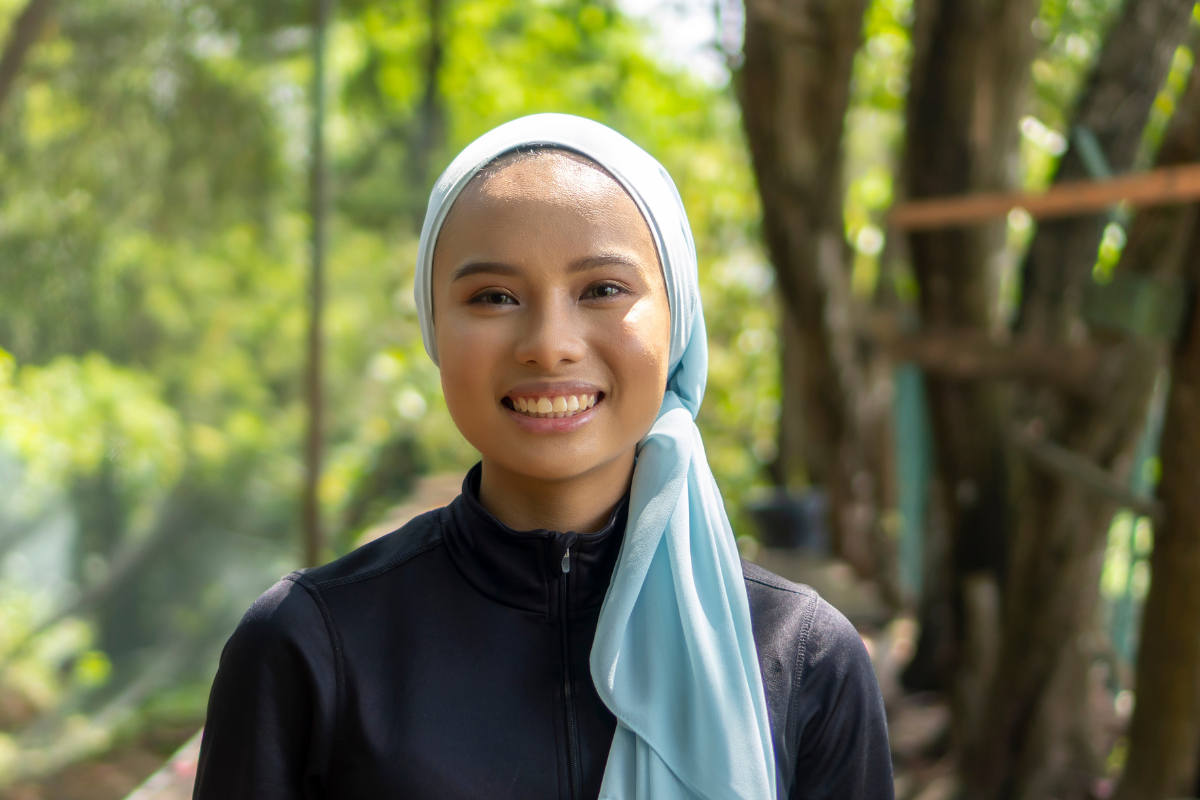
Essential Scalp and Hair Care Tips for Women Who Wear the Hijab Daily
The secret to healthy hair under a hijab is simple: keep your scalp dry, cool and clean. In Malaysia’s heat and humidity, that means drying your hair fully before covering it, choosing breathable inner caps, loosening your hair the moment you get home, and giving your scalp a deep salon cleanse about once a month.
Malaysia’s tropical climate is beautiful, but the constant heat and high humidity can take a real toll on your scalp. For women who wear the hijab daily in Kuala Lumpur, a long day out can mean trapped sweat, extra oil production and an unbalanced scalp. Left unmanaged, these conditions often show up as dandruff, itchiness, a lingering smell and hair that seems to shed more than usual.
Why hijab wearers in Malaysia face unique scalp challenges
Your scalp has more oil glands than almost anywhere else on your body. In a climate where temperatures often sit above 30°C and humidity rarely drops, those glands stay busy all day.
When the scalp is covered for eight to twelve hours, heat and moisture have fewer ways to escape. Sweat mixes with natural oil (sebum) and styling products, and this creates a warm, damp layer close to the skin. That environment is ideal for the yeast that naturally lives on everyone’s scalp to overgrow, which is one of the most common triggers of dandruff and itching.
1. Make sure your hair is completely dry before wrapping
Tying up damp hair before stepping out into the KL heat traps moisture against your scalp for hours. This dark, damp environment is a leading cause of fungal irritation, stubborn dandruff and a musty smell, and constant dampness can leave hair weaker and more prone to breakage.
What to do:
- Blow-dry your roots on a cool or low-heat setting, focusing on the scalp rather than the lengths.
- If you wash your hair in the morning, give yourself an extra 10 minutes to dry it properly. Alternatively, wash at night so it can dry fully before bed.
- Avoid tying hair into a tight bun while it is still even slightly damp.
- After Subuh or after wudhu, gently pat the hairline dry with a clean towel before putting your inner cap back on.
2. Choose breathable fabrics for your inner caps
The fabric closest to your scalp matters more than the outer hijab. A heavy, non-breathable inner cap acts like a lid, holding heat and sweat right where you don’t want them.
Better choices:
- Cotton or cotton jersey, which absorbs sweat and lets air through
- Bamboo blends, which feel cool and soft and dry quickly
- Lightweight modal or viscose for very hot days
Fabrics to limit: thick polyester, nylon and other heavy synthetics. They trap sweat and heat against the scalp, especially during hot afternoons and outdoor errands.
3. Release hair tension as soon as you get home
Wearing your hair pulled back tightly every day puts steady pressure on the delicate hairline. Over months and years, that tension can lead to thinning around the temples and edges, known as traction alopecia.
Give your hair a break the moment you step indoors:
- Take out your hair tie and let your hair down completely.
- Use soft scrunchies or spiral hair ties instead of tight elastic bands.
- Change the position of your bun or ponytail from day to day so the same spot isn’t always under strain.
- Let your scalp cool for a few minutes before showering, which helps it settle after a long, warm day.
4. Wash smart, not just often
Many hijab wearers respond to an oily scalp by washing harder with stronger shampoos. That can backfire: stripping the scalp can make it produce even more oil.
- Use a gentle, sulphate-free or scalp-balancing shampoo, and massage it into the scalp with your fingertips, not your nails.
- Focus conditioner on the mid-lengths and ends, not the roots.
- Rinse thoroughly. Leftover product on the scalp adds to buildup.
- If dandruff persists, an anti-dandruff shampoo used a couple of times a week can help.
5. Add a monthly scalp treatment to your routine
Even a good daily routine can’t fully clear hardened sebum and product buildup sitting deep around the follicles. A salon scalp treatment goes further than a home wash.
A typical scalp treatment session includes:
- A scalp check to look at oiliness, flaking and sensitivity
- Exfoliation to lift dead skin and stubborn buildup
- A deep cleanse to clear clogged pores and sweat residue
- A relaxing massage to boost circulation
- A balancing treatment matched to your scalp type
For most women who cover their hair daily in Malaysia’s climate, a scalp treatment about once a month is a good rhythm. It’s one of the most effective ways to reset your scalp and support stronger, healthier-looking hair.
Book a private scalp treatment in Mont Kiara
At Lilin & Layer, every treatment takes place in a private, ladies-only space in Mont Kiara, so you can remove your hijab and relax completely. Our scalp treatment, priced at RM196, is designed for women who cover their hair daily and want a cleaner, cooler, healthier scalp.
 +60125066480
Hi, this is a comment.
To get started with moderating, editing, and deleting comments, please visit the Comments screen in the dashboard.
Commenter avatars come from Gravatar.